
How to Upgrade Legacy ROVs for Modern Digital Imaging
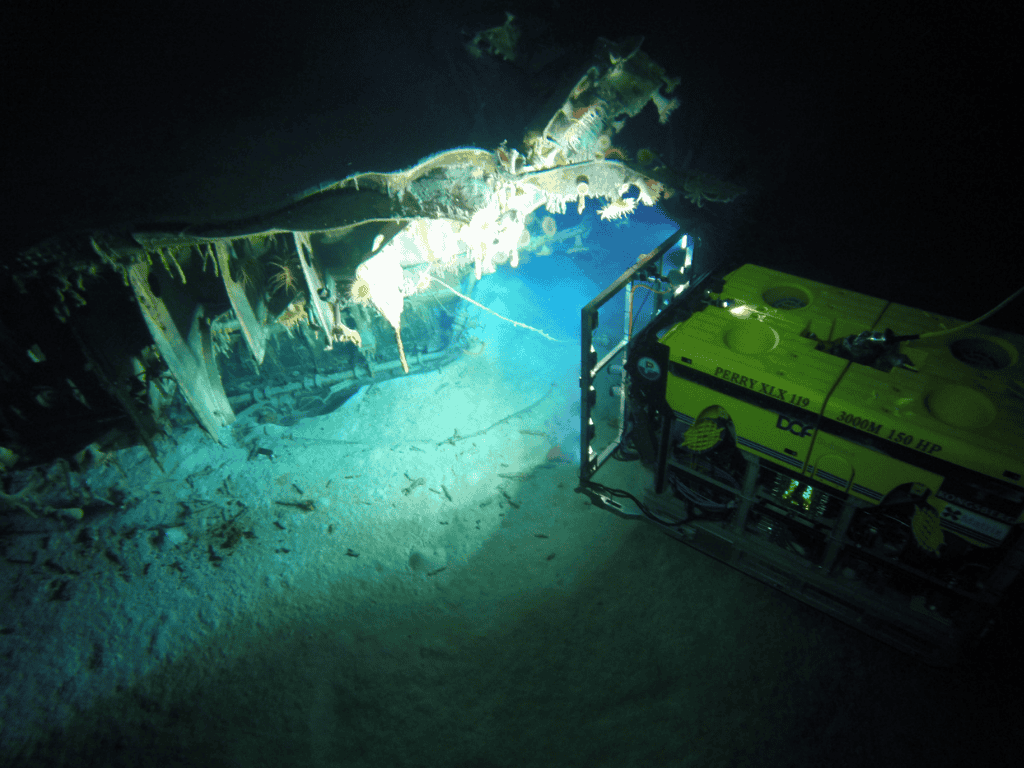
Legacy ROVs remain essential tools in offshore energy, marine research, and environmental monitoring, but many of their imaging systems no longer meet today’s standards. Many of these vehicles remain mechanically reliable, but most were built around an earlier generation of communications technology. Today, operators are expected to deliver higher resolution video, clearer still images, and stronger documentation for inspections and surveys. Meeting these expectations becomes difficult when the vehicle relies on older transmission methods or aging topside equipment.
To support teams evaluating their options, this guide explains the main upgrade paths for legacy ROVs and provides a simple framework for choosing the right one. It also introduces a newer category of digital imaging upgrades that use the existing tether conductors. These upgrades allow older vehicles, including those that still rely on analog video, to achieve modern imaging performance without major system changes.
Why Legacy ROVs Struggle With Modern Digital Imaging
Many legacy ROVs are still mechanically strong, but the imaging chain can be the limiting factor. Analog ROVs have SD video camera whichsoften fine details and restrict the amount of information that reaches the surface. Even when the camera itself is capable of more, the signal path prevents it from delivering the full image quality that modern inspections require.
Aging topside gear can also hold back performance. Older recorders, monitors, and control interfaces were not designed for high resolution or digital workflows. As a result, teams often spend more time interpreting footage, repeating passes, or compensating for unclear video.
As expectations increase across industries, these gaps make inspections slower, less reliable, and harder to document.
The Three Main Upgrade Paths for Older ROV Systems
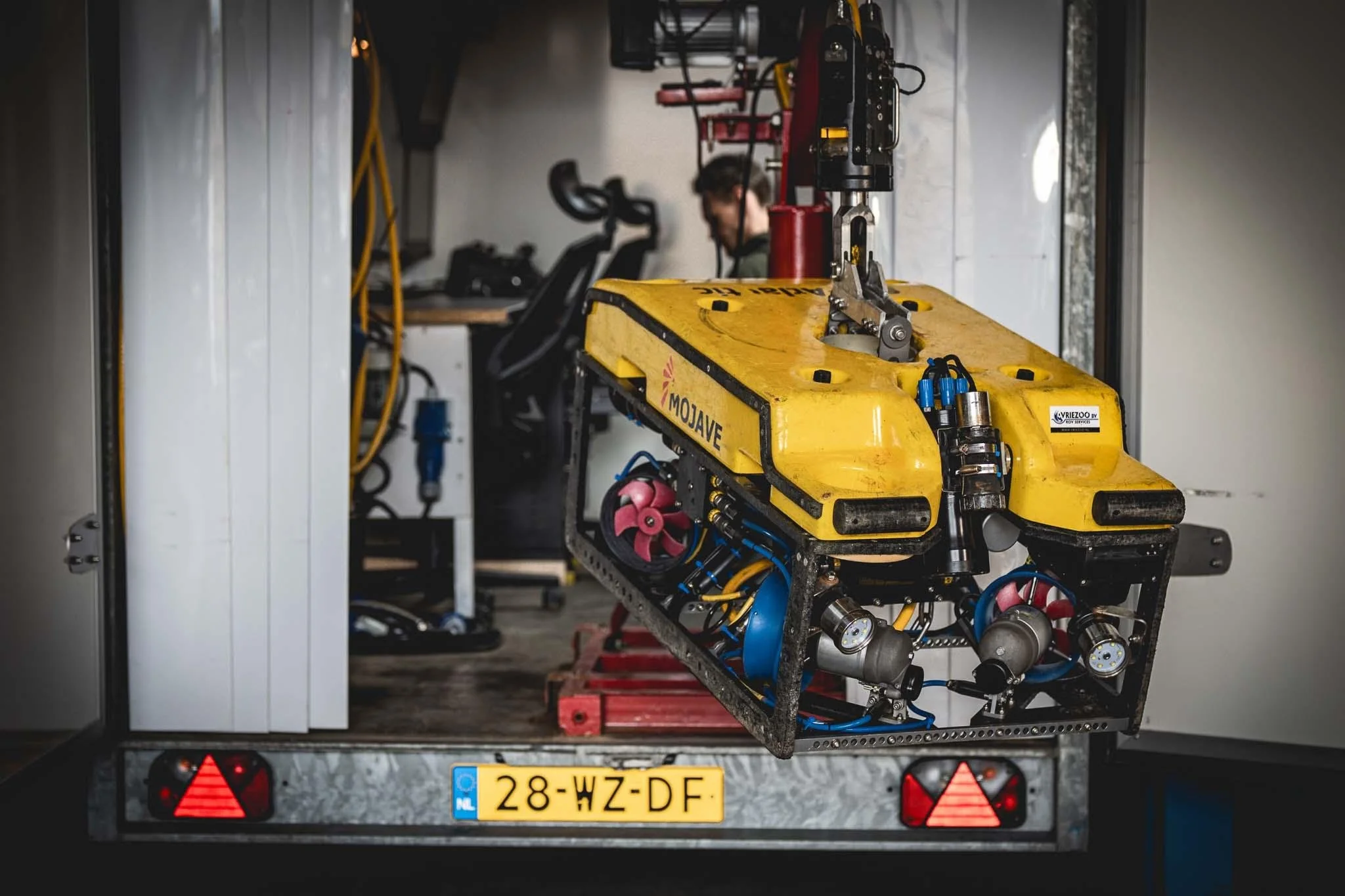
Most operators choose one of three approaches when upgrading a legacy ROV. Each option varies in cost, downtime, and integration work.
1. Full Vehicle Replacement
Replacing the entire ROV provides the greatest long-term capability but is also the most disruptive. It requires significant capital, training on new control systems, changes to deck operations and pilot workflow, and longer procurement and mobilization timelines.
Full replacement is practical when the ROV structure, imaging systems, and topside equipment are all near end of life. In many other cases, targeted upgrades are more efficient.
2. Fiber Optic Retrofit
Some operators keep the vehicle but replace the tether and telemetry system to support fiber optic transmission and a full digital workflow. This introduces modern capability but requires significant work. Tether replacement increases cost and risk, junction box and control van updates may be required, and integration and testing extend downtime.
A fiber retrofit is effective for vehicles expected to remain in service for many years, but it is not always the fastest or most cost efficient path for a mixed age fleet.
3. Digital Imaging Over Existing Tether Conductors
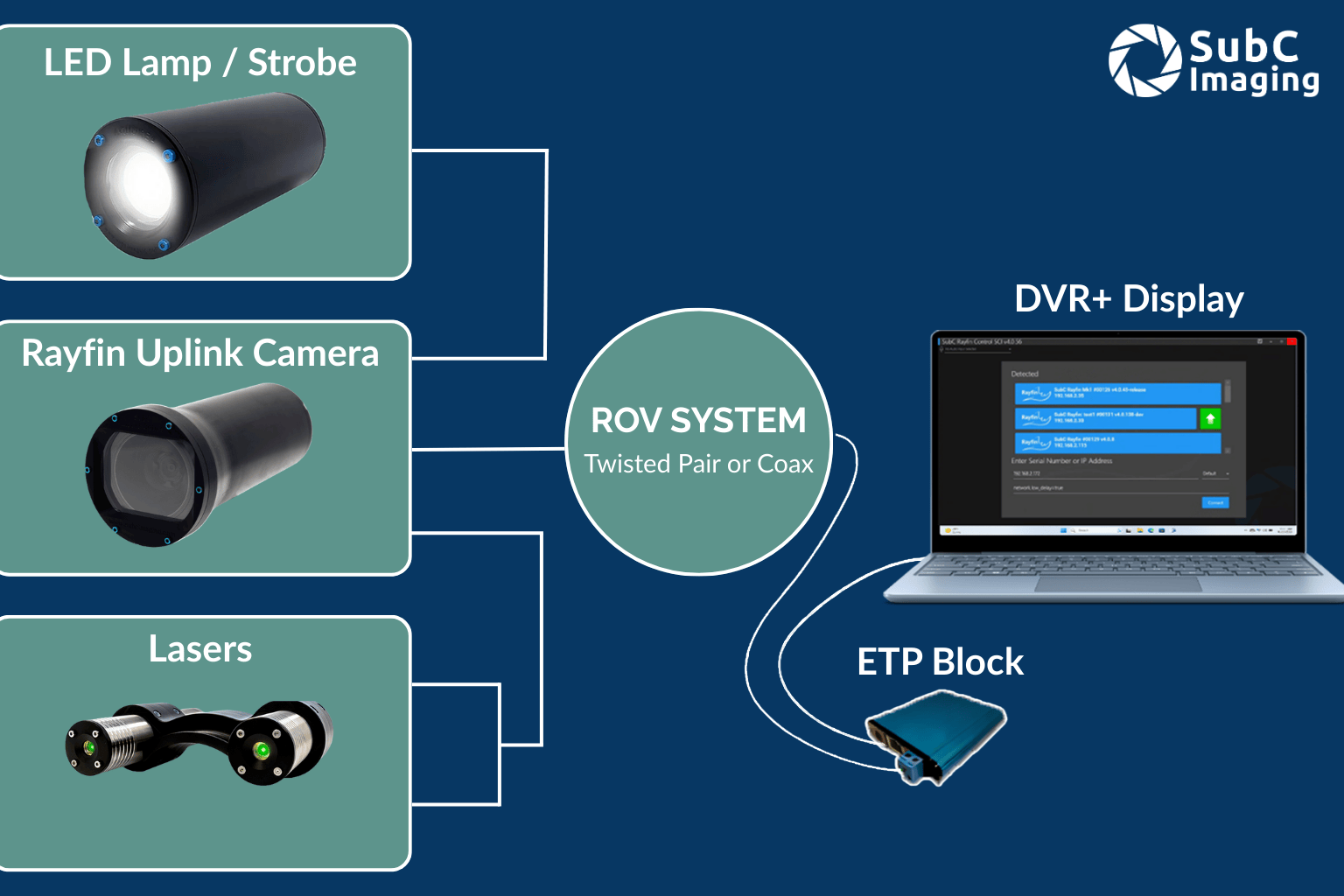
A low disruption alternative is to send compressed digital video and still images through the coax or twisted pair already inside the tether. It remains compatible with existing power, and the impact on the vehicle and control van is minimal. Installation and deployment are much faster than a full rebuild.
Until now, this upgrade path has been uncommon, because there have not been off-the-shelf camera systems designed specifically to deliver digital imaging through existing ROV tethers. The Rayfin Uplink from SubC Imaging is one of the only solutions in this category, giving legacy vehicles access to a modern digital link without changing the tether or the core vehicle setup.
How to Choose the Right Upgrade Path
Selecting the best option becomes clearer when operators consider both technical and operational factors. A few key questions help guide the decision.
What imaging standards does the project require?
Some inspections now call for HD or 4K video, or high resolution digital stills. If the vehicle cannot meet these standards, an imaging upgrade becomes essential.
How much downtime is acceptable?
Full replacements and fiber retrofits take longer to plan, integrate, and test. Digital imaging over existing tether conductors provides a faster timeline and keeps the vehicle in rotation.
What is the condition of the tether and topside equipment?
If the tether is in good working condition, keeping it in service avoids unnecessary cost and risk. When topside systems are very dated, upgrading imaging and recording at the same time may deliver the best result.
What is the available budget?
Targeted upgrades often deliver strong results with lower investment compared to a new vehicle. For many fleets, improving imaging provides the biggest step change in performance for the least spend.
How long will this ROV remain in service?
If the vehicle has several planned years of operation, a low disruption digital upgrade offers strong long-term value. If it is nearing retirement, a larger investment may be harder to justify.
| Upgrade Option | Disruption Level | Best For | Key Considerations |
|---|---|---|---|
| Full Vehicle Replacement | High | End-of-life ROVs needing a complete system renewal | -Highest cost -New pilot training -Workflow changes -Long procurement and integration timeline |
| Fiber Optic Retrofit | Medium to High | Long-term fleet planning requiring full digital bandwidth | -Requires tether replacement -Possible control van upgrades -More integration downtime |
| Digital Imaging Over Existing Tether Conductors | Low | Mechanically sound legacy or analog ROVs limited by imaging | -No tether replacement -Minimal workflow disruption -Fast installation -Preserves infrastructure -Minimal training |
Recommended Upgrade Path for Legacy and Analog ROVs
For many fleets, the most effective way to modernize a legacy ROV is to focus on the imaging chain rather than the entire vehicle. Most legacy platforms still have years of mechanical life ahead of them, and the pilots who run them know the vehicles well. The real limitations usually come from the analog video path and older topside systems, which restrict the clarity, detail, and documentation operators need for today’s inspection standards.
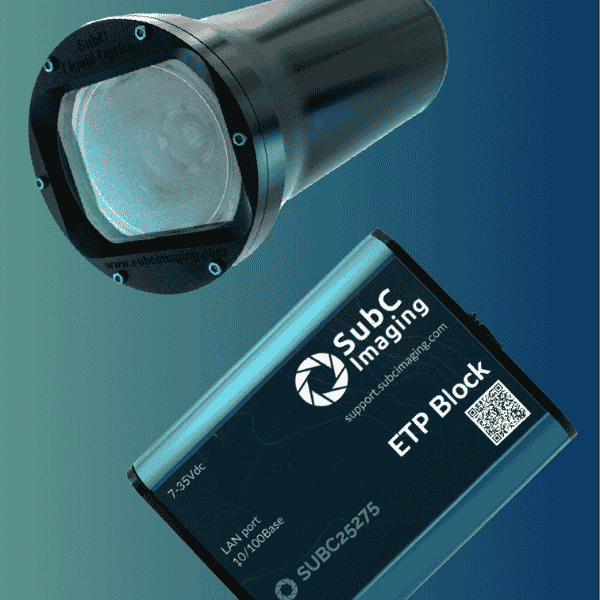
For those who want better imaging without breaking continuity in their operations, a digital workflow that uses the existing tether is often the most practical and least disruptive path. This is exactly the type of upgrade path the Rayfin Uplink is designed for. It provides a digital link for legacy and analog ROVs by working within the infrastructure already on the vehicle. That means operators can introduce HD, 4K and digital stills to systems that were never built for it, without modifying the tether or reworking the control van. The Rayfin Uplink gives crews the ability to capture modern, inspection-grade imagery while keeping the ROV in regular rotation, which is especially valuable for vessels and operators who cannot accommodate long periods of downtime.
Because the Rayfin Uplink is built for this specific challenge, it offers a level of simplicity that general-purpose retrofit options cannot match. It fits into existing workflows, requires minimal disruption to topside operations, and gives operators the reliability and consistency they need in offshore environments. For fleets with mixed ages or older assets that are still mechanically dependable, it provides a direct path to improved imaging performance without altering the rest of the system.
In short, when the goal is to extend the useful life of a legacy ROV and meet modern imaging requirements without major infrastructure changes, the Rayfin Uplink is one of the only solutions purpose-built for that role.
Conclusion
Legacy ROVs still have a lot of value, but their infrastructure for imaging systems often struggle to keep pace with modern inspection requirements. When upgrades are needed, the most effective path is not always the most complex one. In many cases, improving the imaging workflow delivers the biggest gain while keeping disruption low.
By choosing an upgrade approach that aligns with project requirements, downtime constraints, and long-term fleet plans, operators can improve data quality and extend the useful life of their existing vehicles. For teams under pressure to deliver clearer video and stronger documentation without rebuilding their systems, low-disruption digital imaging upgrades offer a practical way forward.
