
How Are Seabed Surveys Captured Without an ROV?
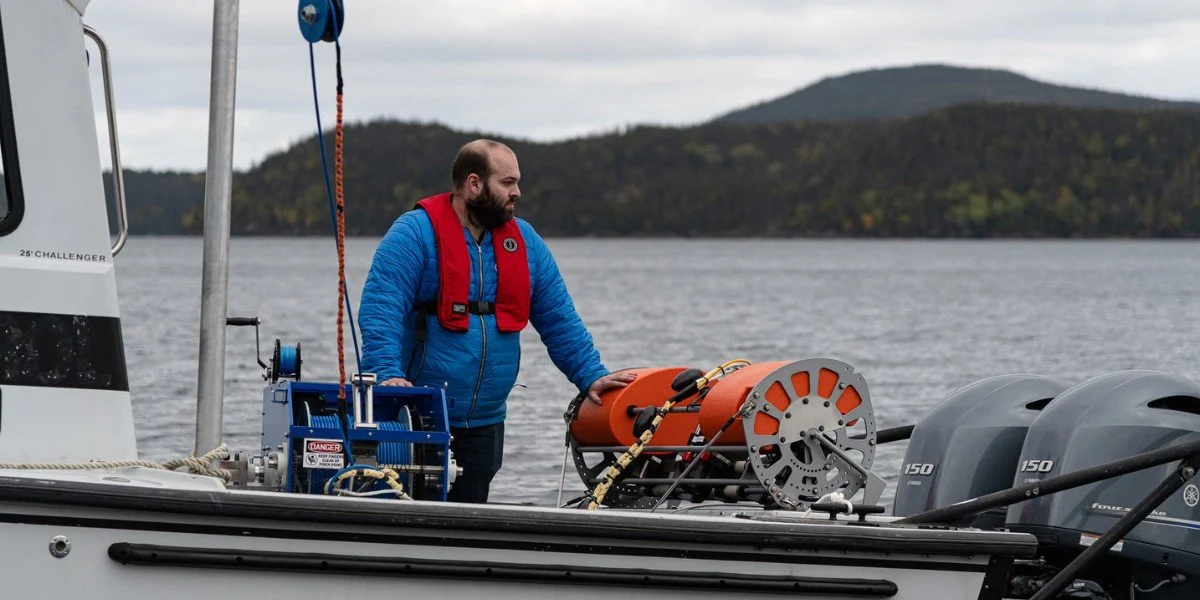
ROVs are a common choice for subsea inspection and observation. They provide direct control, real-time visibility, and the ability to closely inspect specific targets.
But not every survey requires that level of control.
For large-area seabed surveys, long transects, and environmental monitoring work, the priority is often coverage and consistency. In these cases, operators need a way to collect high-quality visual data efficiently over distance. A towed set up can often be a better fit.
When is an ROV Not the Right Tool?
ROVs are well suited for targeted inspection and survey tasks. They allow operators to maneuver precisely, investigate specific features, and make decisions in real time.
For broader survey work, they can be less efficient. Covering long distances with an ROV can take more time, require more operator input, and increase vessel and crew demands.
When the objective is to capture continuous data across a defined survey area, a simpler deployment method can often deliver better results.
What is a Towed Camera System?
A towed camera system is deployed from a vessel and pulled through the water along a planned survey line. Rather than being actively piloted, the system is designed to move steadily at a controlled speed and maintain a consistent position relative to the seabed.
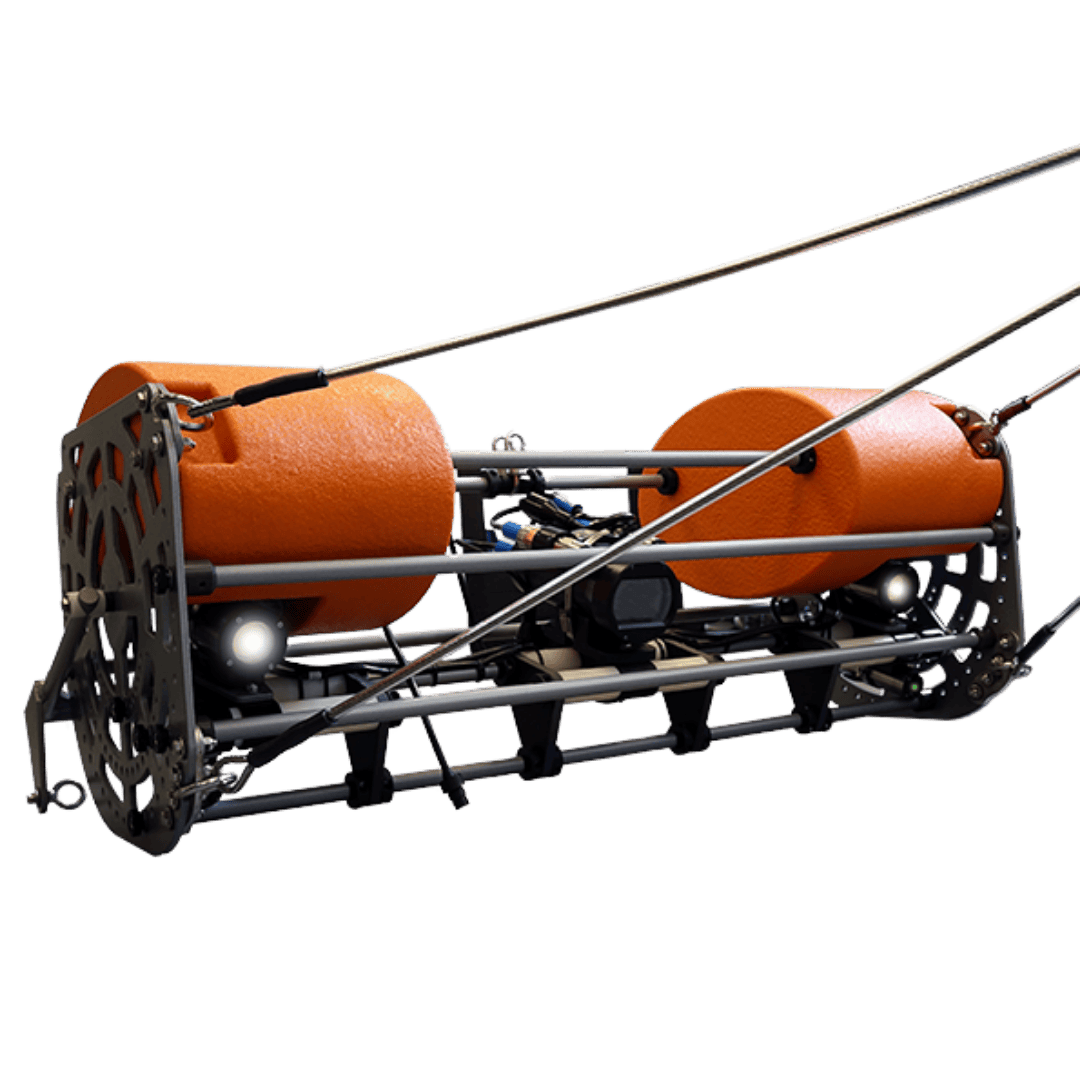
As it moves, the system continuously captures visual data, making it well suited for:
Seabed and benthic surveys
Environmental monitoring
Habitat mapping
Cable and pipeline route assessments
Some tow systems can combine multiple capabilities into a single platform. This typically includes high-resolution still imaging, HD or 4K video, integrated lighting, and sensor data collection. Together, these allow operators to capture both visual and contextual data during the same deployment.
Why do Towed Systems Work for Seabed Surveys?
The primary advantage of a towed camera system is efficient coverage. It allows operators to collect imagery across large areas in a consistent and repeatable way.
Maintaining image quality during a tow is not automatic. The system needs to:
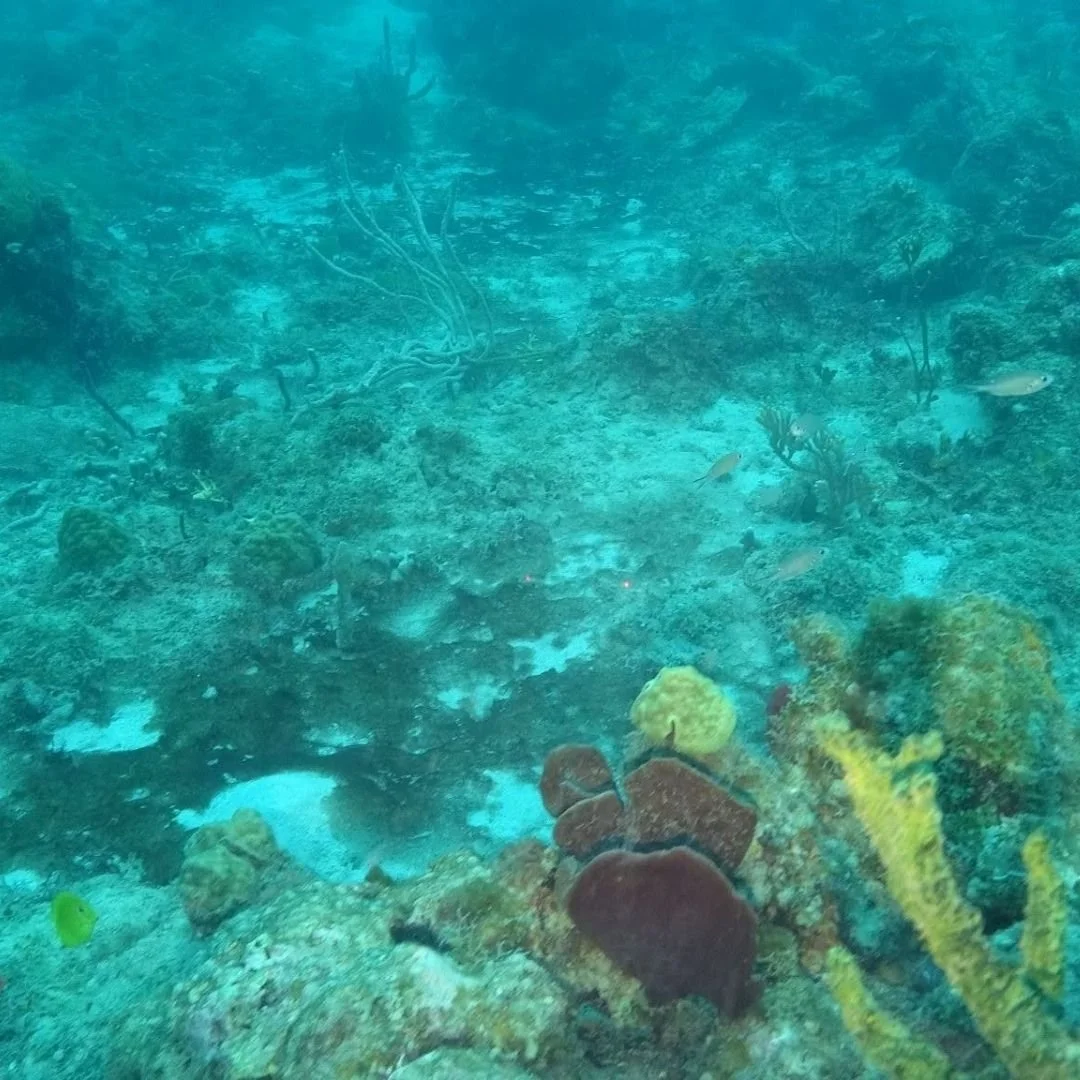
Hold a consistent altitude above the seabed
Remain stable at towing speed
Provide even, usable lighting
Capture synchronized data alongside imagery
Features such as stable tow frame design, adjustable camera and lighting, and built-in altitude measurement help maintain consistent positioning throughout the survey.
Without this level of control, surveys can result in inconsistent imagery, making the data harder to interpret and use.
Survey Results Depend on the Full System
In seabed survey work, the camera is only one part of the equation. The quality of the final output depends on how well the full system performs.
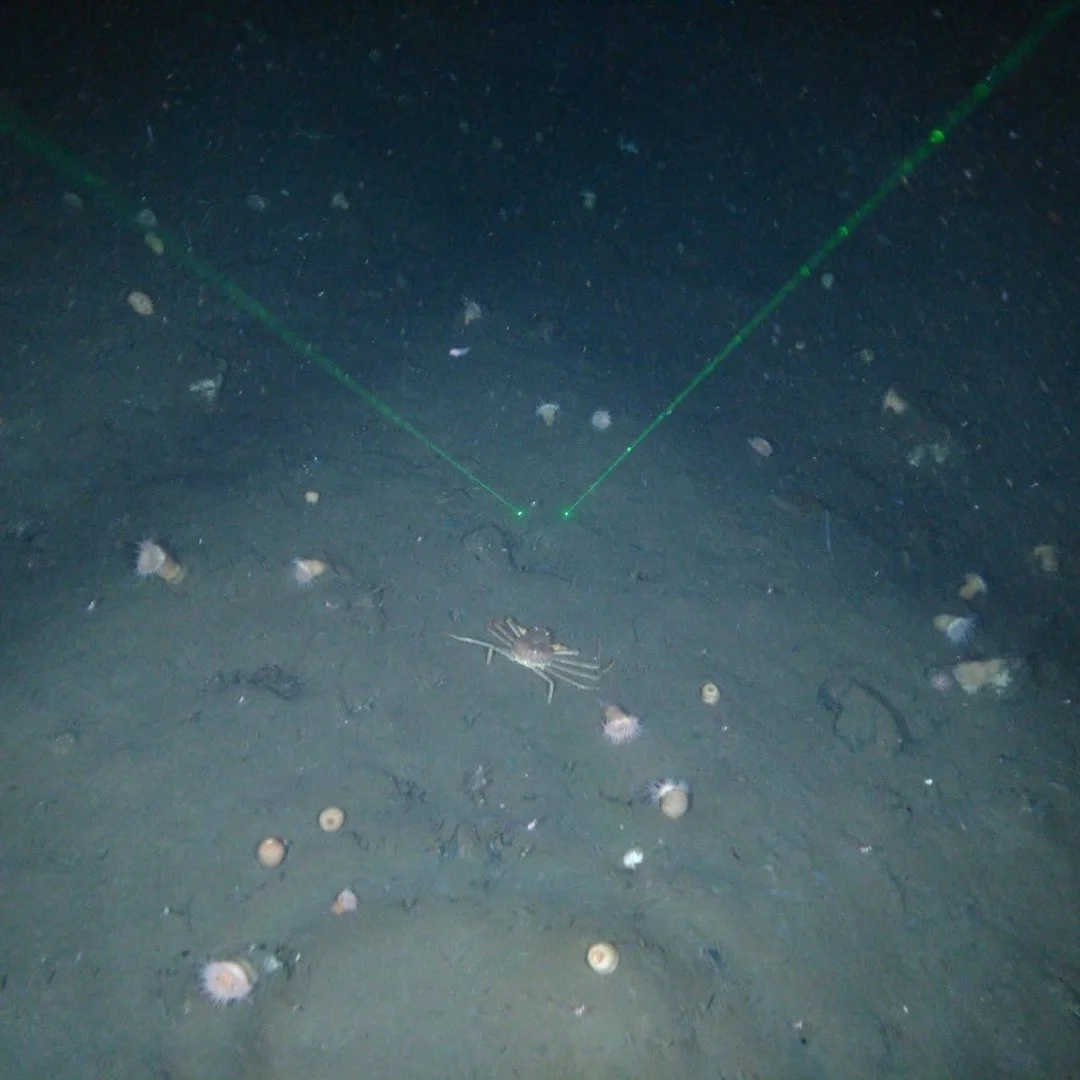
Key factors include:
Tow frame stability and hydrodynamics
Camera positioning and angle
Lighting coverage and performance
Real-time monitoring during the tow
Image and video recording
Metadata capture for positioning and reporting
If these elements are not aligned, teams often spend additional time after the survey correcting or organizing data.
Integrated Imaging and Data in Practice
An effective tow camera system is built as a complete solution rather than a collection of individual components.
SubC Imaging’s Tow Camera System combines imaging, data capture, and recording into a single workflow. During a tow, the system can capture:
Real-time HD and 4K video for live monitoring
High-resolution still images for detailed analysis
Automated metadata, including timestamps, GPS, depth, and sensor data
Integrated topside recording for immediate access and review
The system also includes features such as a built-in altimeter and adjustable camera and lighting setup to help maintain consistent altitude and image quality throughout the survey.
By capturing imagery and supporting data together, the system reduces the need for manual logging and simplifies how results are organized after the job is complete.
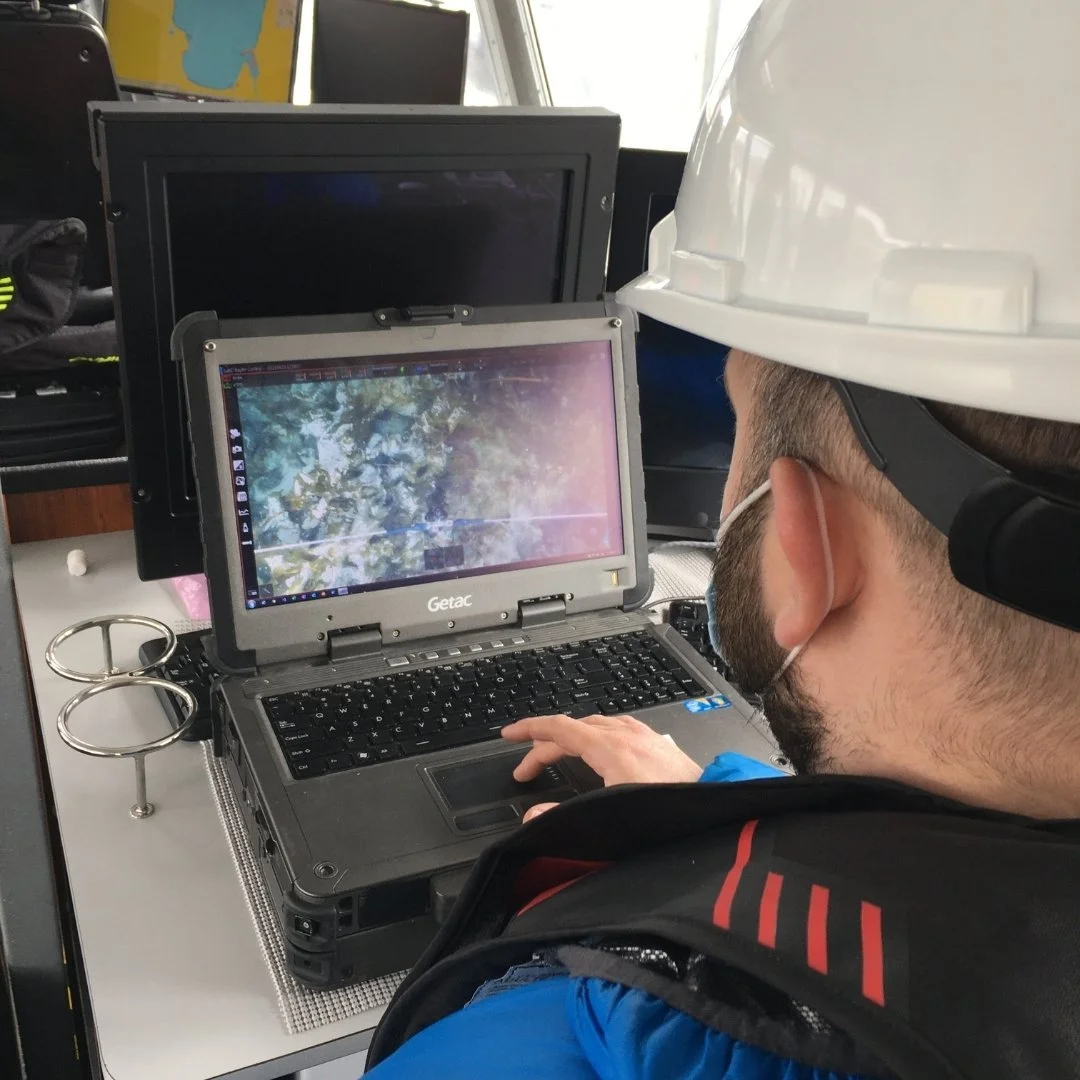
SubC Imaging DVR+ being used to monitor the Tow Camera System in action.
Choosing the Right Approach for Your Survey
The right subsea imaging method depends on the goal of the survey.
ROVs are often the better choice when operators need precise control, close inspection, and the ability to respond in real time to specific features or assets. Towed camera systems are typically the better fit when the goal is to collect continuous visual data across a larger area in a more efficient and repeatable way.
The choice comes down to the type of coverage needed, the operating environment, and the kind of data required at the end of the job.
A Practical Approach to Large-Area Seabed Surveys
For many survey teams, a towed camera system offers a practical balance between efficiency and data quality.
It allows operators to cover more ground in less time while maintaining consistent imaging conditions. When the system is designed to integrate camera, lighting, and data capture, it also reduces the amount of work required after the survey to prepare results.
As survey demands continue to grow, particularly in environmental monitoring and large-area inspection, towed systems remain a reliable option for capturing consistent, usable seabed data.
